
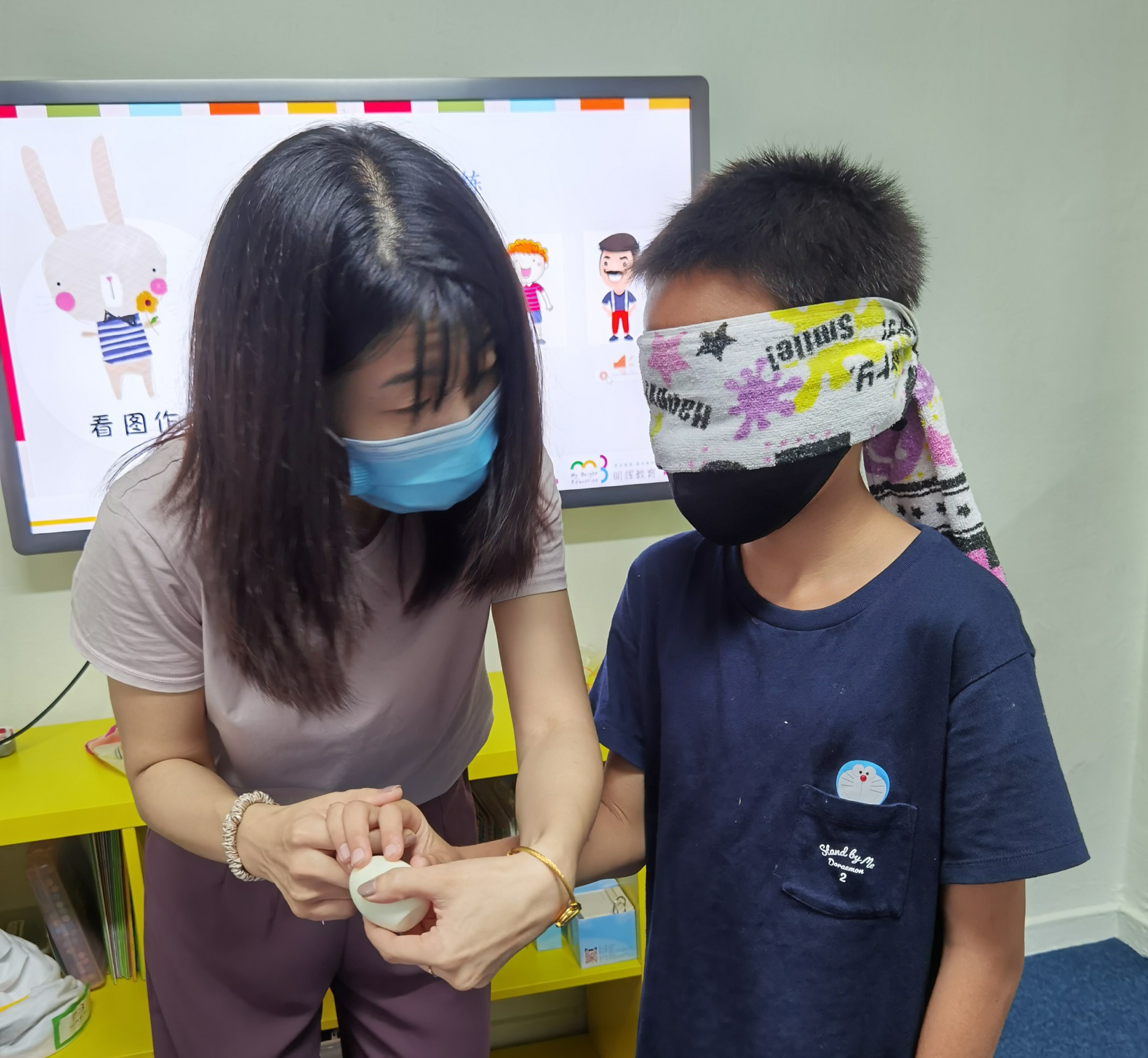
Drama is widely recognised as an effective method of assisting students in their language learning. It is because drama uses active teaching and learning styles that can motivate and sustain students’ attention.
As an ideal Chinese tuition centre, My Bright Education currently uses a variety of drama activities to assist our students in our Chinese language lessons, ranging from role-playing and improvisation to group, individual, or pair work.
Challenges in Teaching the Chinese Language
How Can Chinese Tuition Centres Make the Content More Memorable?
Repeated exposure to words and sentence structures is essential in Chinese language learning. Numerous primary and secondary school Chinese tuition centres in Singapore recognise this need and work hard to provide their students with a wide range of words and sentence structures.
How Can Chinese Tuition Centres Assist Students in Improving Functional Communication Skills?
While children can have access to an extensive vocabulary and understand sentence structures, these alone cannot help them communicate effectively in Chinese. They will need to practise applying what they learn in class in their communications on a regular basis.
What is the Impact of Drama on Language Learning?
Creates A Safe Environment to Understand Language Context
Drama activities allow students to experience language use in real-life situations and give meaning to language structures. Students can practise using suitable language to fit potential real-life scenarios because they are conducted in the safety of the classroom. The scenarios can be acted out in class, slowed down, and repeated with different outcomes, giving students plenty of time to think about the situation.
Furthermore, students will feel less embarrassed about making mistakes when playing the role of a fictional persona. This sense of security makes students’ learning experiences more comfortable and memorable.
Builds Confidence in Speaking
Regular drama activities expose students to speaking situations in a low-pressure environment. Over time, this builds confidence in oral communication—a crucial component of the Chinese language examinations.
Improves Memory Through Engagement
When students actively participate in dramatic scenarios, they engage emotionally with the material. The student’s ability to recall the emotions elicited by these activities serves as an effective memory trigger for vocabulary and language patterns.
.png)
.png)
.png)