
3 Reasons Why Your Child Should Begin Learning Chinese at a Young Age
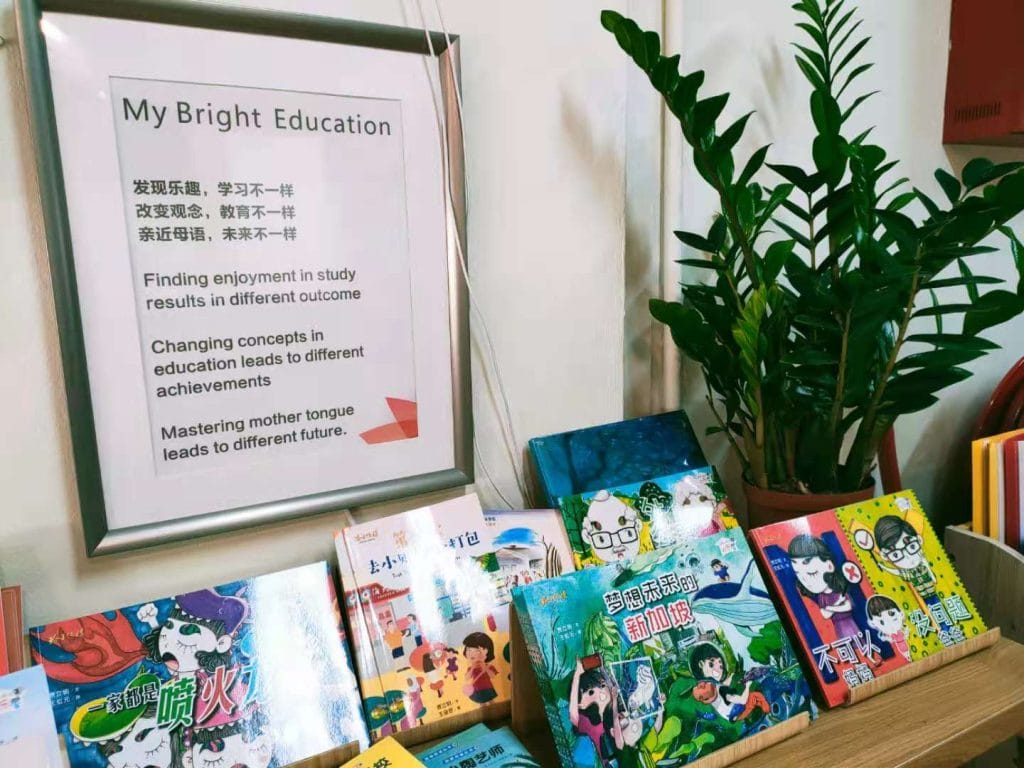
As the world’s most spoken and fastest-growing language, Chinese is gaining immense popularity all across the globe. It is a beautiful and intriguing language rich in history and culture and provides its learners with a unique perspective on the world. If your child gets a head start on learning Chinese, they will have a big edge over their peers in mastering spoken and written Chinese. Reasons Why Your Child Should Start Learning Chinese at an Early Age Improve Memory Function According to research, those who learn more than one language have higher levels of cognitive flexibility and executive control. If your child begins learning Chinese at a young age, their cognitive growth will allow them to avoid distractions, focus on the tasks at hand, and move between tasks more readily. Participating in a Chinese enrichment class for preschool can also help them perform better on verbal intelligence and memory tests. Studying a second language, such as Chinese, improves their ability to recall knowledge because it engages different areas of the brain than those needed to comprehend English. Another aspect that helps a child’s memory and focus is the use of both halves of their brain when reading and writing Chinese. Develop Listening Skills Chinese is a tonal language that requires students to pay great attention to how different words are spoken in order to distinguish between their meanings. Children that are sensitive to sound differences learn tonal languages more easily, and the younger they start, the more accurately they learn to reproduce the sounds. Even if your child is not sound sensitive, learning a tonal language in a preschool Chinese class will help them to listen carefully in general. Impact On Neuroplasticity Neuroplasticity is the ability of neural networks in the brain to change as a result of experience through growth and reorganisation. Language learning, according to recent studies, has a substantial impact on neuroplasticity because it allows the brain to change and adapt in a unique way. Children who learn Chinese at an early age benefit from enhanced brain development and greater cognitive flexibility throughout their lives. How to Choose the Best Chinese Class for Your Child When selecting a Chinese enrichment class for your young child, look for programs that: Use age-appropriate, playful teaching methods Encourage oral communication and listening Build vocabulary through stories and songs Foster a positive and encouraging learning environment Are taught by experienced, qualified educators
Creative Ways to Inspire Your Child to Learn Secondary School Chinese
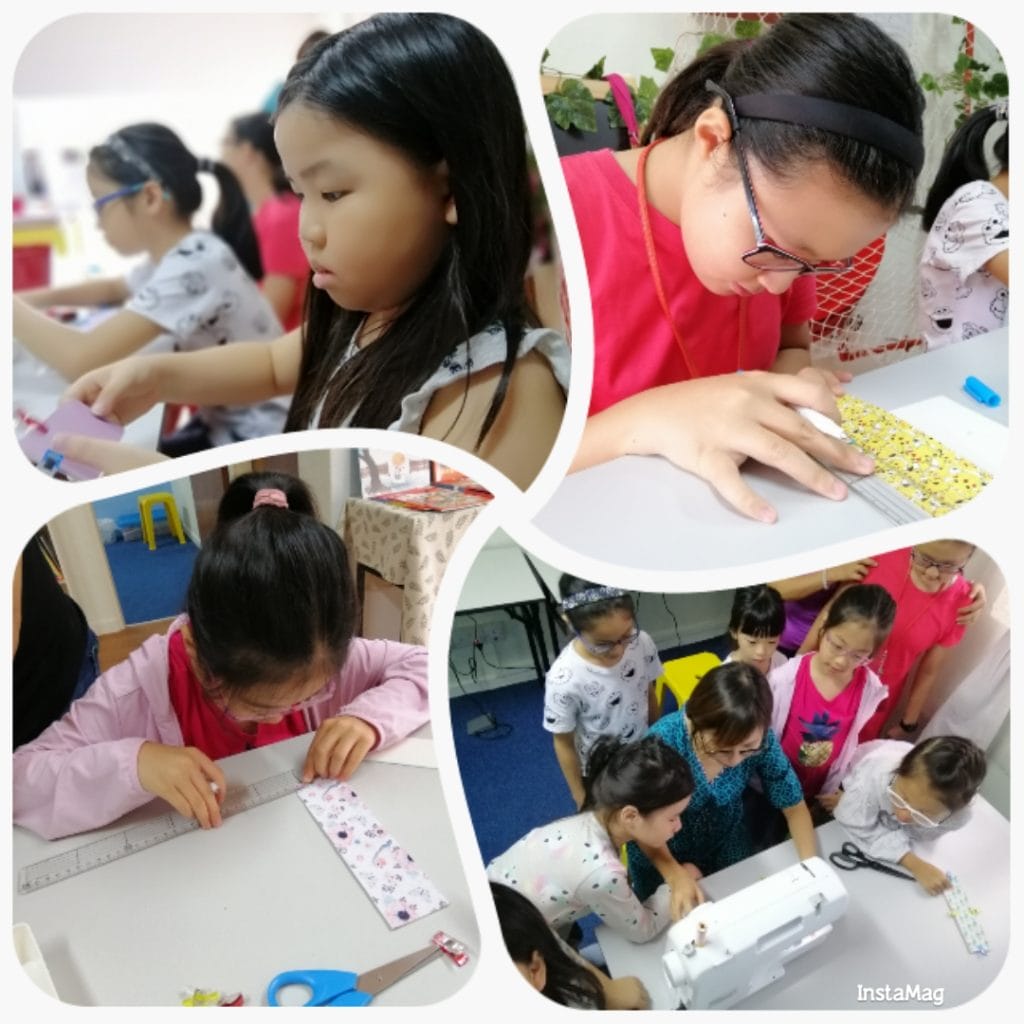
The transition from primary to secondary school is an exciting and challenging time for any child studying in Singapore because it marks a significant milestone in their academic life. When your child enters secondary school, their workload will be doubled, with more academic subjects, co-curricular and extra-curricular activities, and various other school programmes. Maintain a Positive Attitude Towards the Chinese Language Fear or embarrassment can often hinder your child’s progress in learning Chinese. When children progress to Chinese tuition for secondary school from primary school, they become more self-conscious and aware of their surroundings. As a parent, this is an excellent opportunity to mentor your child about taking on long-term challenges. Encourage your child to share their experience and feelings about learning Chinese. Show them that Chinese, as an important modern language, has the power to inspire people. Try to incorporate Chinese language practice into your child’s leisure activities or hobbies, and their interest in Chinese will develop naturally. Introduce Your Child to Chinese Culture One of the most effective ways to motivate your child to learn Chinese is to immerse them in the culture. The Chinese language has a rich history and culture full of fascinating legends and folklore that serve as the basis for many Chinese proverbs and idioms. Introduce them to Chinese myths and stories to pique their interest. You can also help them learn more about Chinese culture by taking them to fun events like the Dragon Boat, Lantern, and Mid-Autumn Festivals. Another option is taking them to Chinese restaurants where you can encourage them to order their favourite dish and converse with the staff in Chinese. Make Learning Fun by Using Games and Quizzes Ensure your child is in a positive learning environment. Interactive games and quizzes make Chinese learning engaging and reduce anxiety around the subject. Digital learning apps, flashcard games, and creative writing exercises can all supplement traditional tuition and keep your child motivated. Enrol in Secondary Chinese Tuition My Bright Education provides specialised Chinese tuition for secondary school students that addresses the higher demands of the secondary school Chinese syllabus. Our experienced tutors use proven strategies to help students excel in essay writing, comprehension, and oral communication.
Taking a creative approach to study with MOE syllabus
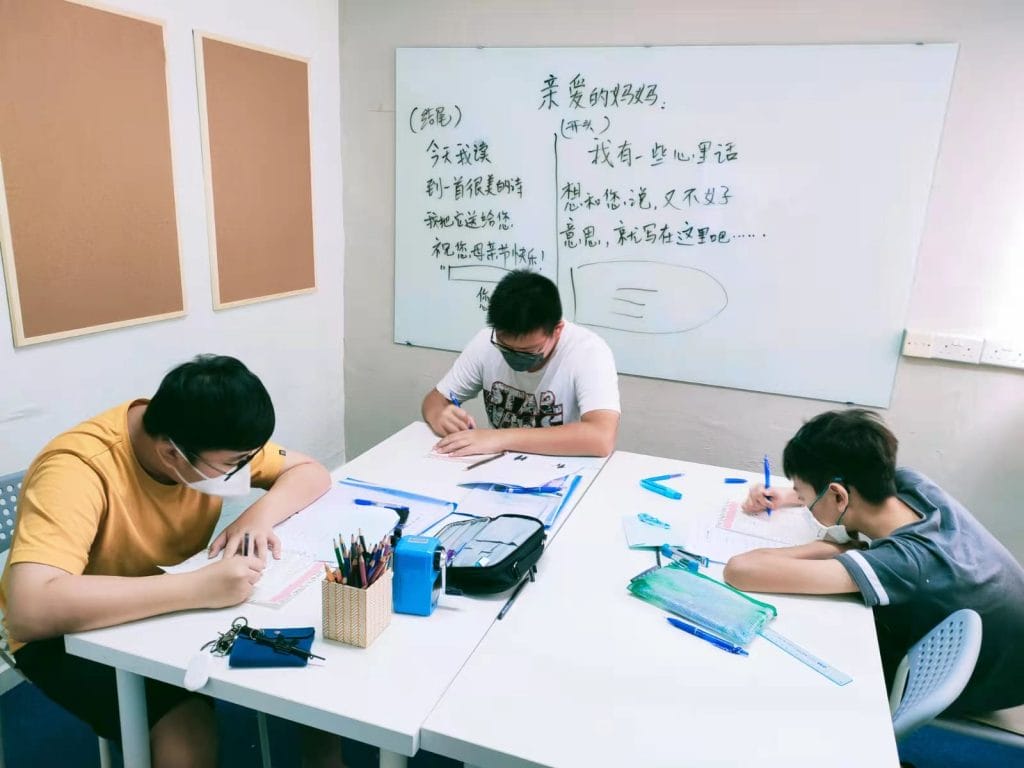
Have you ever Googled the terms “Chinese tuition near me” or “Chinese tuition in Tampines” to find a good Chinese language learning centre for your child? Different institutes have different approaches to their lessons. Some may prefer a more creative approach, while others strictly adhere to the MOE syllabus. We at My Bright Education believe that a hybrid approach is the ideal strategy to achieve success. Why Creativity Matters in Chinese Language Learning Creativity is a great skill that can produce essential and outstanding results when learning. Using a creative approach to Chinese language learning allows teachers to emphasise creativity as one of the student’s innate abilities—a talent that every child possesses. It helps children develop predictive, analytical, critical, and problem-solving skills, in addition to enhancing their confidence and self-esteem. Using Creativity in the Classroom to Enhance Learning Chinese, or any other language, is inherently creative due to its ability to express or communicate a single idea in numerous ways. The content of Chinese language classes does not have to be restricted to a specific subject or level of knowledge. Teachers need to base their lessons on a variety of topics, such as sports, arts, entertainment, while keeping the primary focus on the language. Children learning Chinese can be easily immersed in creative situations where they must come up with one or more solutions to problems presented during a classroom activity. How My Bright Education Develops a Creative Environment Our sole focus is on creating a non-judgmental and relaxed environment where students can relax and not worry about their every move being scrutinised for errors. Our Chinese tuition centre in Tampines has a guided framework for classroom activities in relation to the MOE syllabus. As a result, both teachers and students are well aware of the requirements. We encourage teachers to think of creative ways to present the content and inspire critical thinking in students. The MOE syllabus provides a strong foundation, and creativity is the key that unlocks each child’s full potential. Together, they create a learning environment where students genuinely thrive.
What Role Does Drama Play in Helping Students Learn a Language?
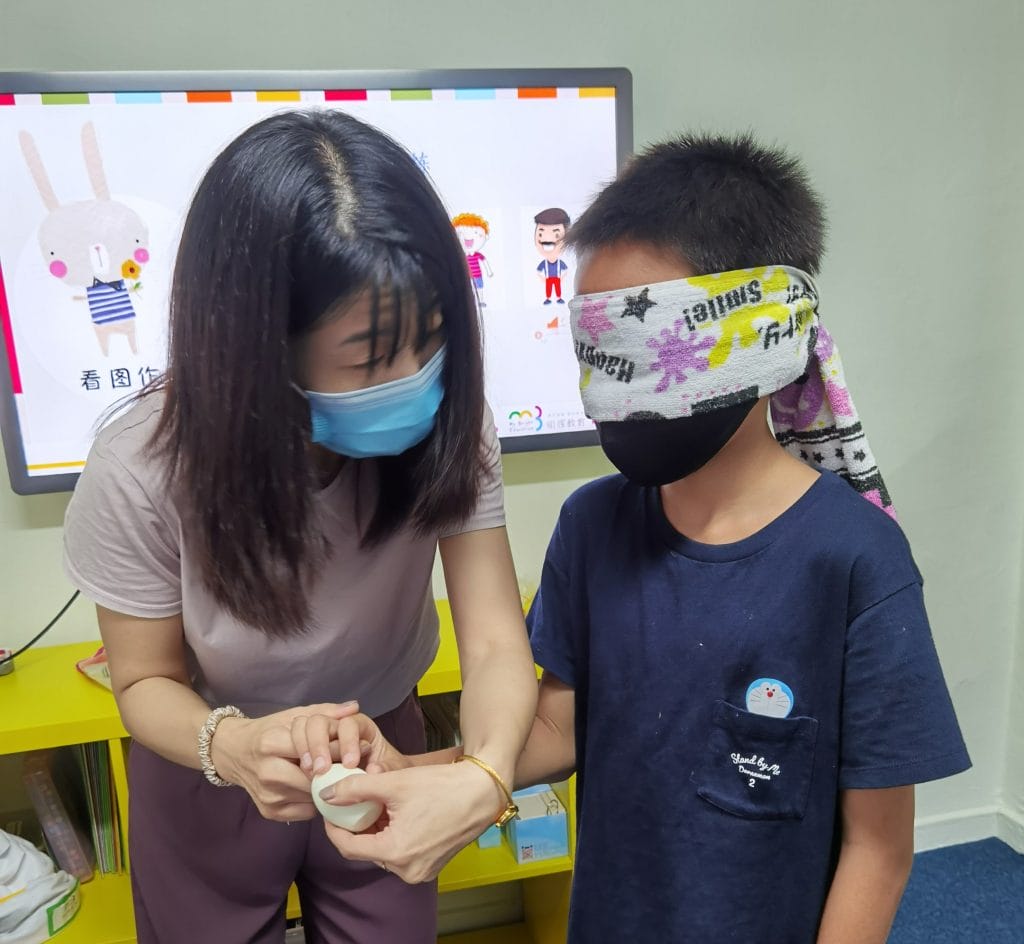
Drama is widely recognised as an effective method of assisting students in their language learning. It is because drama uses active teaching and learning styles that can motivate and sustain students’ attention. As an ideal Chinese tuition centre, My Bright Education currently uses a variety of drama activities to assist our students in our Chinese language lessons, ranging from role-playing and improvisation to group, individual, or pair work. Challenges in Teaching the Chinese Language How Can Chinese Tuition Centres Make the Content More Memorable? Repeated exposure to words and sentence structures is essential in Chinese language learning. Numerous primary and secondary school Chinese tuition centres in Singapore recognise this need and work hard to provide their students with a wide range of words and sentence structures. How Can Chinese Tuition Centres Assist Students in Improving Functional Communication Skills? While children can have access to an extensive vocabulary and understand sentence structures, these alone cannot help them communicate effectively in Chinese. They will need to practise applying what they learn in class in their communications on a regular basis. What is the Impact of Drama on Language Learning? Creates A Safe Environment to Understand Language Context Drama activities allow students to experience language use in real-life situations and give meaning to language structures. Students can practise using suitable language to fit potential real-life scenarios because they are conducted in the safety of the classroom. The scenarios can be acted out in class, slowed down, and repeated with different outcomes, giving students plenty of time to think about the situation. Furthermore, students will feel less embarrassed about making mistakes when playing the role of a fictional persona. This sense of security makes students’ learning experiences more comfortable and memorable. Builds Confidence in Speaking Regular drama activities expose students to speaking situations in a low-pressure environment. Over time, this builds confidence in oral communication—a crucial component of the Chinese language examinations. Improves Memory Through Engagement When students actively participate in dramatic scenarios, they engage emotionally with the material. The student’s ability to recall the emotions elicited by these activities serves as an effective memory trigger for vocabulary and language patterns.
Developing Higher-Order Thinking Skills Through Chinese Language Teaching
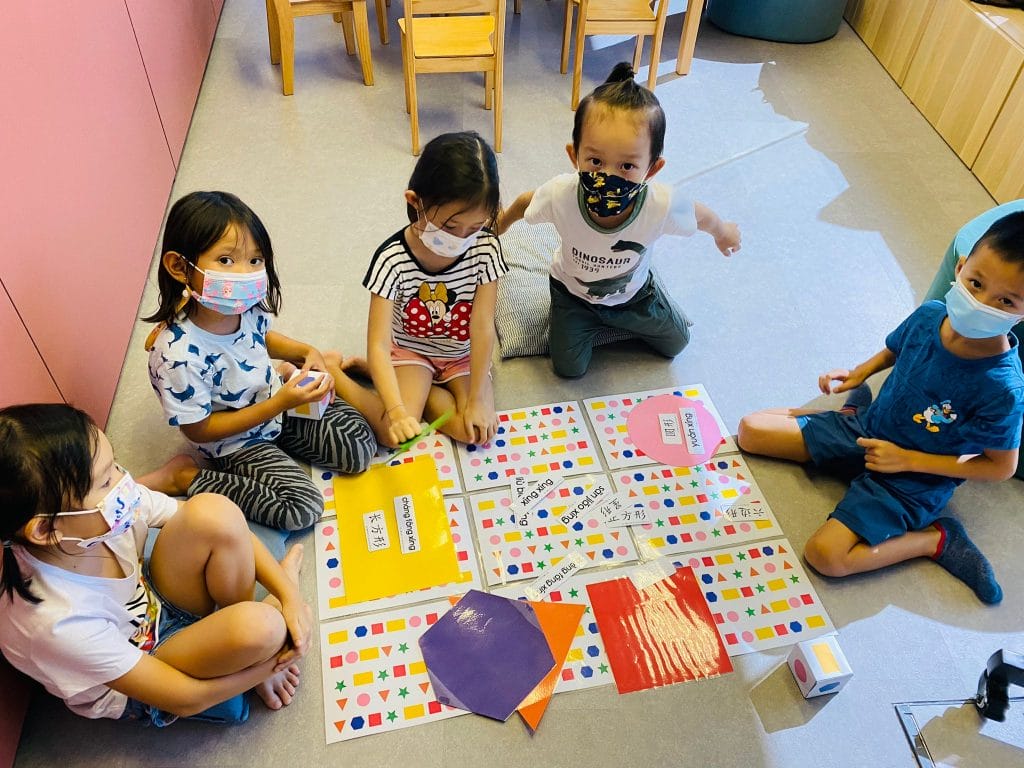
For Singaporean children, learning Chinese is akin to learning about a completely new ideology, culture, and, in many cases, language. Learning a new language necessitates various skills that will aid in acquiring its new ideology. Therefore, learning Chinese will allow children to hone their higher-order thinking skills by comparing and contrasting it with the other languages they are familiar with. Higher-order thinking refers to a set of thinking skills that assist students in developing more complex thoughts and moving beyond rote memorisation. This concept is exemplified by critical thinking, comprehension, analysis, evaluation, and problem-solving. How Chinese Tutors in Singapore Develop Higher-Order Thinking Identify Learning Styles Higher-order thinking strategies can be tailored to accommodate a wide range of learning styles. In order to effectively develop higher-order thinking, Chinese tuition teachers must determine the most effective teaching methods. When developing these objectives, Chinese tutors in Singapore take their students’ neurodiversity into account. They focus on areas such as: How to encourage visual, verbal, concrete and abstract thinking during Chinese lessons? How long does it take students to complete challenging thinking tasks? How to assess the level of Chinese language comprehension? Define Objectives Chinese tuition teachers in Singapore should determine beforehand which higher-order thinking skills students should master during the lesson. Clear objectives ensure that the classroom activities correspond to the ideas or skills the teachers want their students to learn. Select Appropriate Activities and Lessons Students with access to authentic learning experiences engage in more meaningful and interactive learning. When planning their classes, Chinese tutors in Singapore will choose learning activities relevant to their students’ experiences to create a true learning experience. Encourage Reflection and Discussion After completing activities, students are encouraged to reflect on what they’ve learned and discuss their thinking processes. This metacognitive approach strengthens both language skills and critical thinking simultaneously.
Does acing your Hanyu Pinyin mean that your Chinese is good?
For some, learning Chinese can be a very daunting experience. Throw in a new set of sounds and tones you are unfamiliar with, and you have a recipe for an extremely challenging learning experience. This is where Hanyu Pinyin, a romanised phonetic system, comes into play in Chinese tuition to assist both foreigners and native speakers alike in their journey to mastering the Chinese language. In Singapore, Hanyu Pinyin is introduced to Chinese tuition students in Primary 1. It is a relatively simple system with 35 vowels, 23 consonants, four tones, and a neutral tone. History and Purpose of Hanyu Pinyin There were numerous romanisation schemes for Chinese prior to the development of Pinyin, each with its own set of rules. In the 1950s, a group of Chinese linguists led by Zhou Youguang developed Hanyu Pinyin. Its purpose was to provide a more precise and standardised method of representing Chinese (Mandarin) sounds using the Roman alphabet. The Hanyu Pinyin romanisation system was formally accepted as the official Chinese romanisation system by the government of the People’s Republic of China in 1958. It has since been widely used for teaching in Chinese tuition courses, digital input of Chinese characters, and clarifying the pronunciation of Chinese terms in foreign languages. Why Use Hanyu Pinyin? As a phonic system, Hanyu Pinyin provides learners with visual cues to assist them with the sound structure. It serves as a good framework for learning new characters and pronunciations. As a result, it can help improve pronunciation and tone while simplifying the learning process for students. Pinyin also enables independent learning of new words, particularly when presented with appropriate context. Is Hanyu Pinyin Sufficient for Chinese Proficiency? While pronunciation and tone are important in Chinese, the context in which a word is uttered is also crucial in understanding its meaning. Hanyu Pinyin is an excellent starting tool, but true Chinese proficiency requires students to move beyond Pinyin and develop their reading and writing of Chinese characters directly. At My Bright Education, we use Hanyu Pinyin as a stepping stone while ensuring students progressively build their character recognition and overall language competency. Our structured Chinese tuition approach ensures students develop a complete and well-rounded command of the Chinese language.