
Why Would Learning Chinese in a Group Setting Work Better for Your Child?
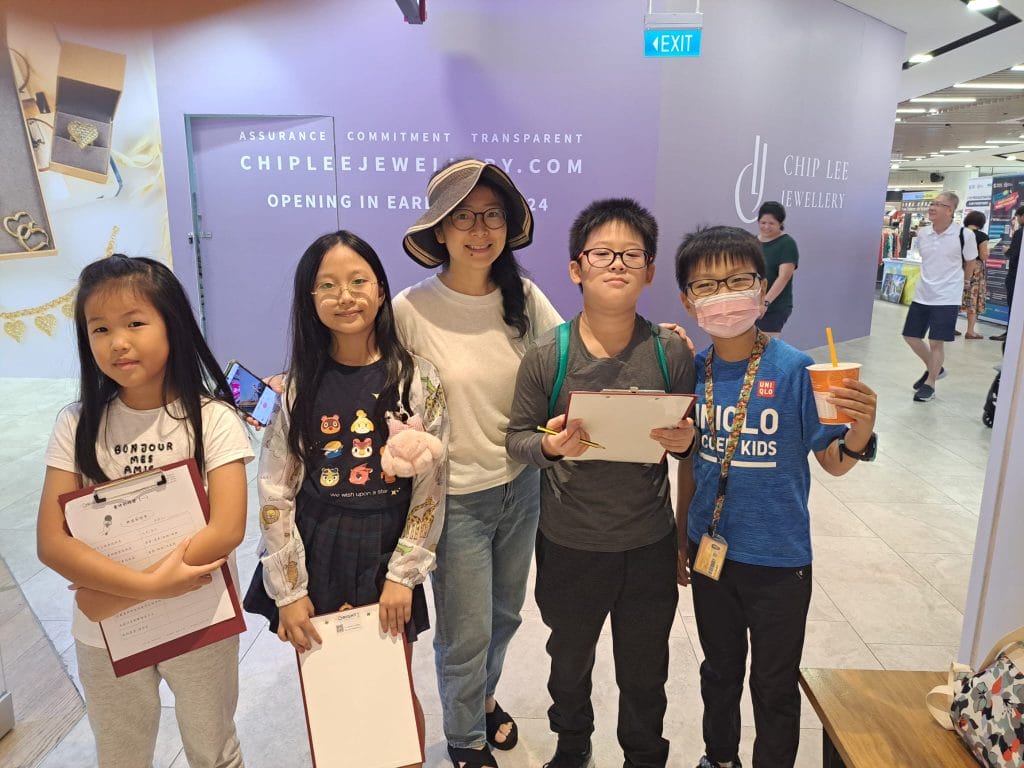
In an era where language skills have become an invaluable asset, Chinese tuition and enrichment programs have emerged as a valuable educational tool in Singapore. The schools in the country have always supported Chinese enrichment and education in order to preserve the Chinese language and culture. Why is Chinese Tuition Important? Chinese tuition centres are growing in popularity in Singapore as they are an ideal choice for children seeking supplementary education for academic success. The demand for these centres stems from the constantly evolving MOE Chinese syllabus, which features increasingly challenging test formats. Another factor is China’s growing global influence—fluency in Chinese is a skill that will benefit children in the long run. The Benefits of Learning Chinese in a Group 1. Learning Structure Signing up your child for a Chinese group tuition class can provide them with much-needed structure and discipline. With a curriculum and a fixed schedule, they are less inclined to delay or spend time on activities unrelated to their studies. 2. Ideal Environment Finding the right environment to learn the subject plays a huge role in whether your child enjoys learning Chinese. Working with tutors who are passionate about what they teach can often reflect in your child’s enthusiasm to learn the language as well. 3. Build Confidence Group tuition classes can also help your child develop confidence. Unlike in school, students receive more personalised attention from a tutor. With consistent feedback and support, your child will gradually gain confidence in their skills. 4. Positive Reinforcements Students often dread learning Chinese as they believe it to be a difficult subject to master. When students are placed in an environment where they can thrive and excel, it often leads to them improving swiftly with a solid foundation. 5. Time Management Time management is a critical skill that all students should learn in order to succeed in their academics. Group tuition helps students manage their study time and keeps them on track with deadlines and targets.
Getting Ready for Chinese PSLE: How to Help Your Child Begin Their Preparations
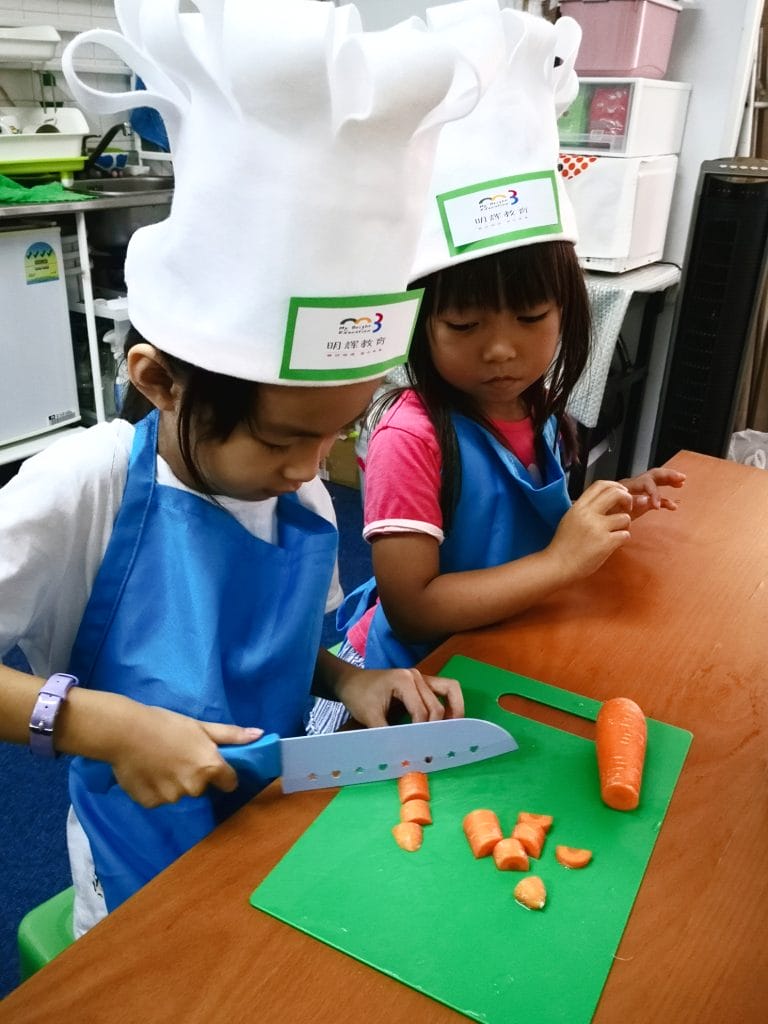
In Singapore, every child in primary and secondary school is required by the curriculum to learn the Mother Tongue Language (MTL), which can be either Chinese, Malay or Tamil. A lot of students who follow Chinese have trouble catching the basics, and as a result, they struggle to master the language. More and more parents are turning towards Chinese enrichment classes and tuition to help their children build a stronger foundation. What is the Significance of the Chinese PSLE? Even if your child excels in other subjects, a low grade in Chinese at PSLE can affect their overall score and jeopardise their admission to the secondary school of their choice. Therefore, it is crucial for your child to make time to improve their Chinese language skills. 1. Develop a Study Plan A study plan enables your child to understand where their efforts are going and helps them prioritise their tasks. Start by making a list of the topics covered in the exam for each subject. As the PSLE format for Chinese differs slightly from other subjects, your child needs to properly understand how to approach the exam. 2. Set a Revision Timeline While studying is necessary, revising is more important when it comes to memorising information. Doing practice papers throughout your child’s Chinese PSLE preparation can help them become accustomed to the examination format. It can also help them manage time during the exam. 3. Incorporate Chinese into Daily Life Successfully completing the Chinese PSLE is a marathon rather than a sprint. For your child to be in tune with the Chinese language, they need an immersive Chinese environment. One way to help your child integrate Chinese into their daily lives is by making it part of everyday activities—conversations at home, Chinese books and shows, and more. 4. Enroll in Chinese Tuition Students are more likely to receive personalised attention under the supervision of an expert tutor, and they will also have more time to devote to the subject. My Bright Education’s PSLE preparation program is specifically structured to build confidence and exam readiness.
Does Your Child Need a Chinese Tutor? 7 Signs They May Need Extra Help
Some students learn quickly and easily in school, while others require more academic aid in completing assignments and properly absorbing lessons. When it comes to your child’s Chinese language learning, if classroom sessions are not cutting it or if you believe they would benefit from extra lessons, hiring a tutor may be a good option. What Do Chinese Tutors Do? Tutors work with your child to improve their academic performance. They identify areas in which your child needs more understanding or practice and focus their teachings on improving them. These areas could be specific components of the Chinese language, such as Hanyu Pinyin, tones and calligraphy, or particular language-related skills such as comprehension, vocabulary, as well as oral and composition. 7 Signs Your Child May Need a Chinese Tutor 1. Incomplete Assignments When students are genuinely struggling, they often postpone their assignments in hopes of avoiding the unpleasant feelings it evokes. If your child is making excuses not to do their Chinese homework or is taking too long to complete it, it may be time to seek further help. 2. Lack of Self-Confidence Academic success has a significant impact on how a child perceives themselves, and consistently struggling in school can take its toll on their confidence. If you have observed your child doubting their Chinese language skills or being reluctant to attend school, it may be time to look for a tutor. 3. Drop in Grades Poor academic performance is a critical concern as a parent, especially when you start noticing a sudden dip in your child’s score. A Chinese tutor can identify and resolve the issues that are preventing your child from comprehending or performing effectively. 4. Lack of Organisation If your child struggles to complete their Chinese language assignments on time and devotes too much attention to one lesson while neglecting others, they may benefit from tutoring. 5. Lack of Enthusiasm When students do not fully understand specific topics taught during Chinese language lessons, they may quit rather than redouble their efforts. A Chinese tutor can reignite their enthusiasm by making the subject more accessible. 6. Difficulty with Specific Concepts Chinese language has unique elements like tonal pronunciation, stroke order, and character recognition. If your child consistently struggles with specific areas, a targeted tutor can provide focused help. 7. Teacher Feedback If your child’s teacher has raised concerns about their progress in Chinese, this is a strong indicator that additional support would be beneficial. Speak with both the teacher and your child to understand the specific challenges they face.
How Can Music as a Creative Tool Help Your Child Learn Chinese?
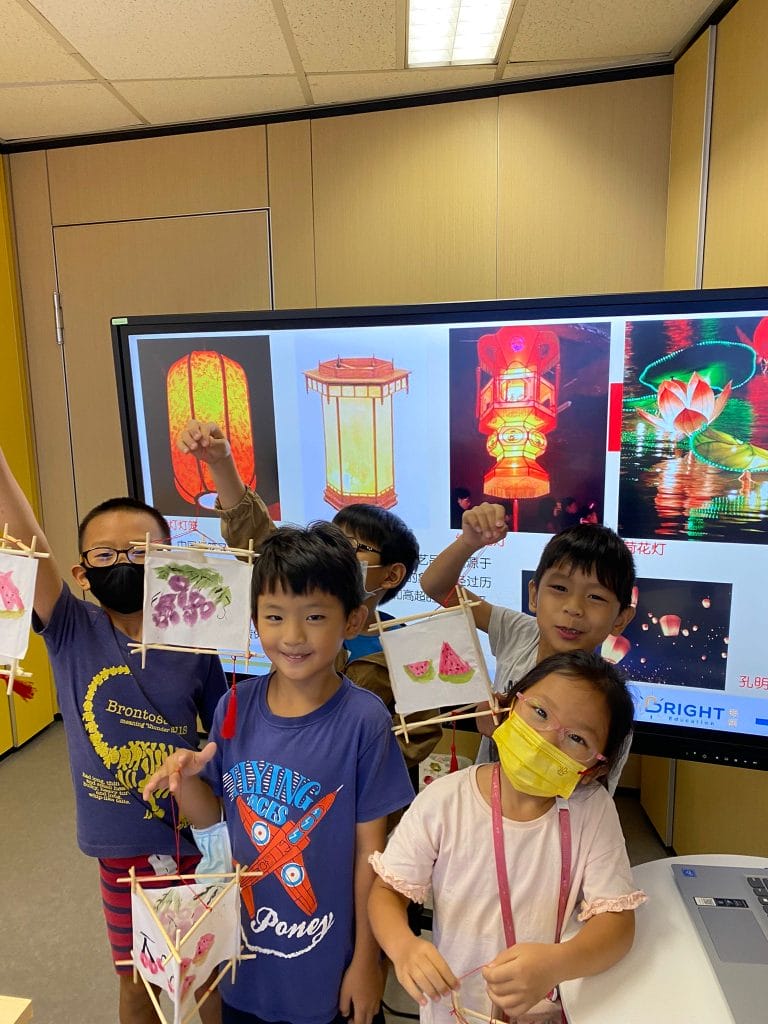
Since ancient times, music has played a significant role in human lives and culture. Music, according to many research findings, is a valuable tool in language learning. Similar to movie subtitles, song lyrics can be a great source of vocabulary that creates an enjoyable learning experience. It also helps students in Chinese tuition centres in Singapore with their pronunciation and intonation. Why Should Music be Incorporated into Chinese Language Learning? Learning the Chinese language through music can be an entertaining approach to your child’s education. It breaks the monotony of study sessions without interfering with their progress. Songs with rhythmic lyrics are ideal for grammar and vocabulary practice as they are easier to recall than words from a textbook. Music is also regarded as a portable language learning aid since there are numerous portable devices that play music, allowing your child to learn Chinese from anywhere. Benefits of Incorporating Music into Chinese Learning Practical Learning Music works best in situations where teachers struggle to make study materials relevant and practical. Song lyrics often contain vocabulary that native speakers use on a daily basis, which offers a stark contrast to the formulaic content found in language textbooks. Engagement Every student has music that they either like or detest. Teachers can harness these emotions elicited by music to improve student participation. Encouraging them to discuss their favourite musicians can help them be more interested in their language study content. Productive Skills Using song lyrics to inspire student inquiry and develop their critical thinking abilities is another teaching method with a wealth of language learning potential. How Chinese Tuition Centres Use Music 1. Pronunciation Listening to Chinese music can help your child improve their pronunciation as it introduces them to the native rhythm, speed, and intonation of the language. When your child listens to or sings along to the music, they learn to emulate the pronunciation. 2. Vocabulary Common terms, idioms, and expressions are abundant in songs. As they listen to Chinese music, students will undoubtedly pick up new terms and phrases in the general context, which will help them better comprehend what they mean. 3. Grammar Song lyrics follow patterns and structures that naturally teach grammar. Repeated exposure to these patterns helps children internalize sentence structures in Chinese. 4. Cultural Appreciation Chinese music is deeply rooted in culture and history. By exposing children to Chinese songs, they not only learn the language but also gain a deeper appreciation for Chinese culture and traditions.