
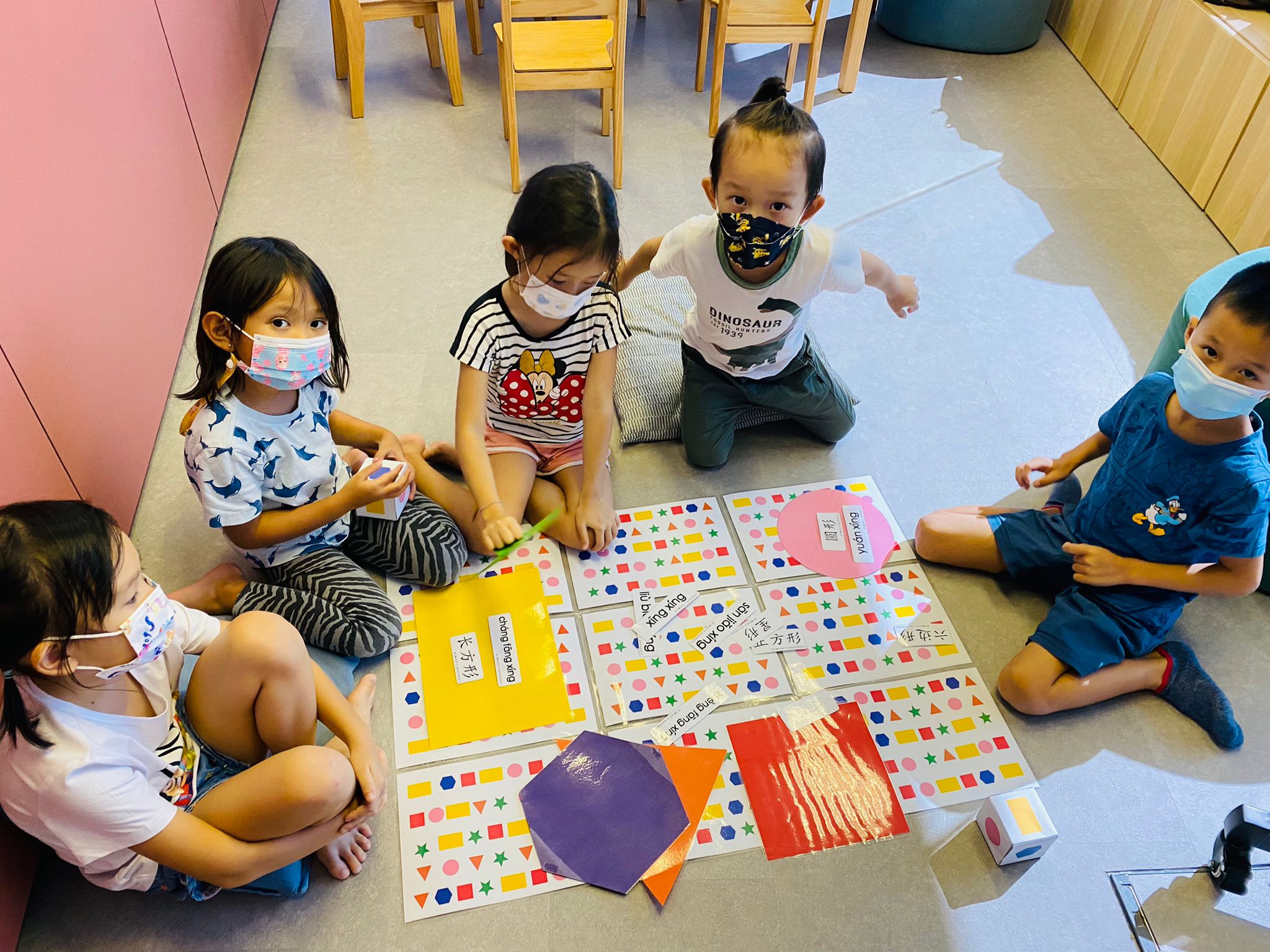
For some, learning Chinese can be a very daunting experience. Throw in a new set of sounds and tones you are unfamiliar with, and you have a recipe for an extremely challenging learning experience. This is where Hanyu Pinyin, a romanised phonetic system, comes into play in Chinese tuition to assist both foreigners and native speakers alike in their journey to mastering the Chinese language.
In Singapore, Hanyu Pinyin is introduced to Chinese tuition students in Primary 1. It is a relatively simple system with 35 vowels, 23 consonants, four tones, and a neutral tone.
History and Purpose of Hanyu Pinyin
There were numerous romanisation schemes for Chinese prior to the development of Pinyin, each with its own set of rules. In the 1950s, a group of Chinese linguists led by Zhou Youguang developed Hanyu Pinyin. Its purpose was to provide a more precise and standardised method of representing Chinese (Mandarin) sounds using the Roman alphabet.
The Hanyu Pinyin romanisation system was formally accepted as the official Chinese romanisation system by the government of the People’s Republic of China in 1958. It has since been widely used for teaching in Chinese tuition courses, digital input of Chinese characters, and clarifying the pronunciation of Chinese terms in foreign languages.
Why Use Hanyu Pinyin?
As a phonic system, Hanyu Pinyin provides learners with visual cues to assist them with the sound structure. It serves as a good framework for learning new characters and pronunciations. As a result, it can help improve pronunciation and tone while simplifying the learning process for students. Pinyin also enables independent learning of new words, particularly when presented with appropriate context.
Is Hanyu Pinyin Sufficient for Chinese Proficiency?
While pronunciation and tone are important in Chinese, the context in which a word is uttered is also crucial in understanding its meaning. Hanyu Pinyin is an excellent starting tool, but true Chinese proficiency requires students to move beyond Pinyin and develop their reading and writing of Chinese characters directly.
At My Bright Education, we use Hanyu Pinyin as a stepping stone while ensuring students progressively build their character recognition and overall language competency. Our structured Chinese tuition approach ensures students develop a complete and well-rounded command of the Chinese language.
.png)
.png)
.png)